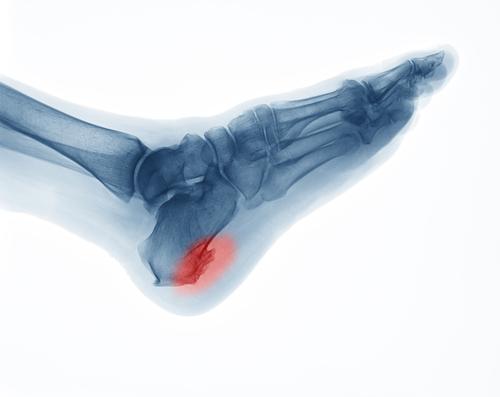
After a crash, most people expect injuries like cuts, broken bones, or whiplash. Fewer expect to hear “bone spurs” when their doctor reviews an X-ray or MRI weeks or months later. Yet a bone spur from a car accident, or a spur that a crash made worse, can cause lasting neck and back pain, numbness, and weakness. Here’s what to know if you’ve been diagnosed.
What Are Bone Spurs?
Bone spurs, known medically as osteophytes, are bony growths that form along the edges of bones, often in the spine. Many people have them without symptoms. Problems start when a spur presses on the spinal cord or a nerve root.
Symptoms
If you were in a car, truck, or motorcycle accident, bone spur symptoms don’t always appear immediately after. Inflammation can take days to build, and new bone growth can take months. When a spur presses on the spinal cord or nerves, you may notice:
- Neck or lower back pain
- Pain that travels into the arms or legs
- Stiffness or reduced range of motion
- Numbness or tingling in the hands or feet
- Weakness or trouble with coordination
Diagnosis and Treatment
Bone spurs are diagnosed through imaging, such as an X-ray, CT scan, or MRI. Treatment often starts with physical therapy, medication, or injections, and some people need surgery to relieve pressure on the nerves. Recovery can take weeks or months, so be sure to tell your doctor about the crash so it’s noted in your records.
Can a Car Accident Cause Bone Spurs?
Bone spurs typically form gradually, as the body’s response to stress or damage in a joint. That means a car accident can be connected to bone spurs in two main ways.
- A crash can aggravate spurs you already had. The force of a collision can inflame surrounding tissue or push an existing spur into contact with a nerve, turning a harmless spur into a painful one.
- A crash can damage a joint or disc, leading to spurs later. When an accident injures the spine, the body may respond over the following months by building extra bone in the damaged area.
Either way, the accident may be what caused your symptoms, even if the spur took time to form or existed before the crash.
What If the Insurer Says Your Bone Spurs Were Pre-Existing?
Because spurs usually develop over time, insurers often argue that your pain comes from “degenerative changes” rather than the crash. But a pre-existing condition doesn’t automatically end your claim.
Under Ohio law, you can generally seek compensation when an accident aggravates a condition you already had. The question is how much the crash changed your condition, not whether the spurs existed beforehand.
Evidence that can help show that change includes:
- Prior medical records showing few or no neck or back complaints before the crash
- A clear timeline of when your symptoms started relative to the accident
- Your treating doctor’s opinion on whether the crash caused or worsened your condition
Compensation You Can Recover for a Bone Spur Injury
If a car or truck accident caused or worsened your bone spurs, you may be able to recover damages for:
- Doctor visits, imaging, injections, and surgery
- Physical therapy and future treatment
- Income you lost while recovering
- Reduced ability to earn in the future
- Physical pain and limitations on your daily life
In Ohio, you generally have two years from the date of the accident to file a personal injury lawsuit. Because symptoms can develop slowly, don’t wait until they become severe to learn where you stand.
When to Talk to an Attorney About a Bone Spur From a Car Accident
It may be worth speaking with an attorney if the insurance company is blaming your symptoms on a pre-existing condition, your doctor has recommended injections or surgery, or your injury is keeping you from working. Bone spur claims often turn on medical evidence, and an experienced lawyer can help gather the records and opinions needed to show how the crash affected you.
Talk to Bressman Law About Your Car Accident Injury
If you’re dealing with a bone spur from a car accident in Ohio, Bressman Law can review your situation and explain your options. Contact us today online or call us at (614) 714-1823 for a free case evaluation. You pay nothing unless we win.